
Warm Transfer vs Cold Transfer: When to Use Each
Warm transfer vs cold transfer explained for small service businesses: what each is, when to use them, what goes wrong with blind transfers, and how to fix it.
Warm Transfer vs Cold Transfer: When to Use Each
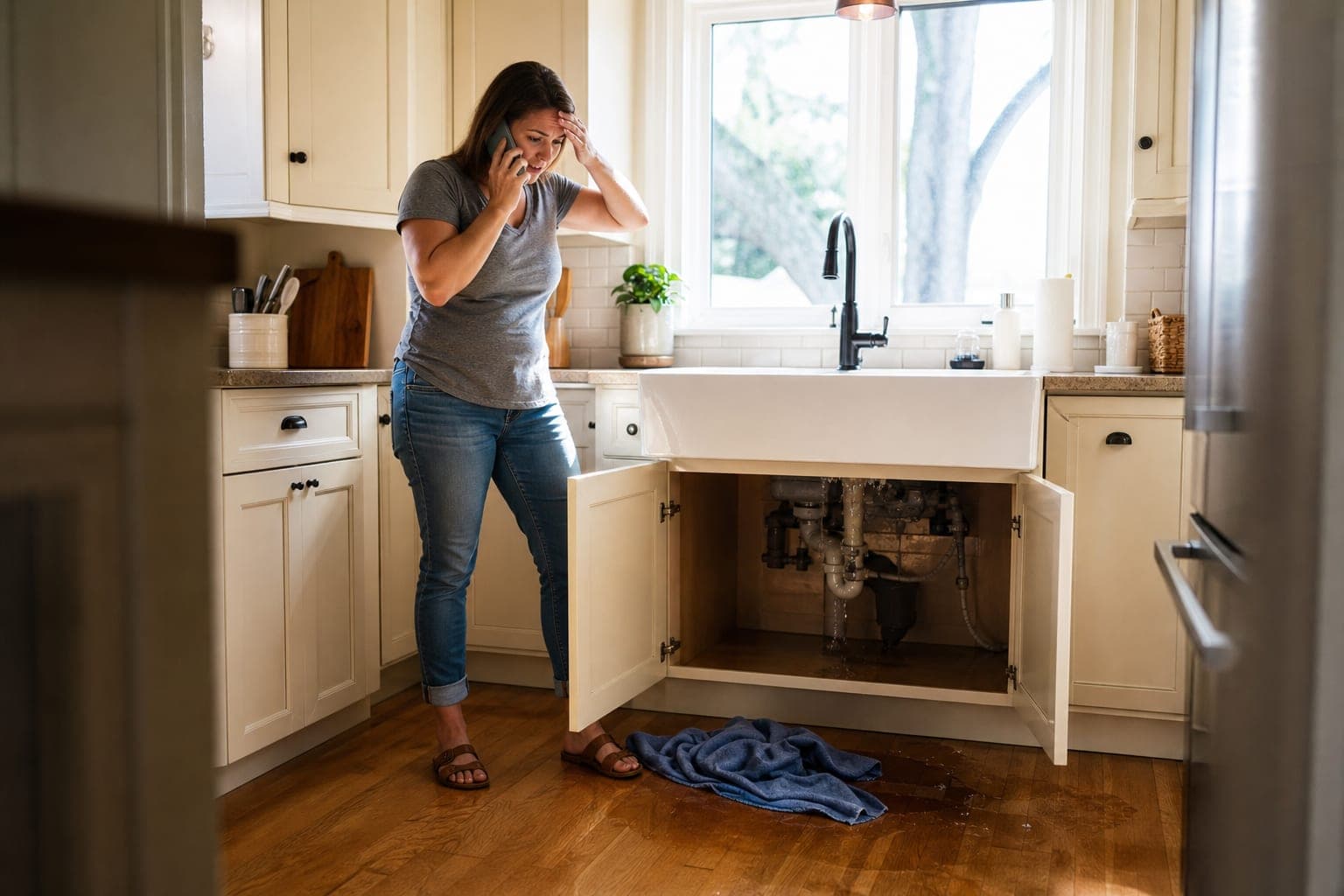
Picture a Saturday at 9:40 AM. A homeowner finds the floor under her kitchen sink wet, a towel already soaked through. She calls a plumbing company, and the office manager pushes her to the technician's cell without a word to him. He answers in his truck: "Who is this? Can you start over?" Two minutes later another call beeps in, he taps it, and she lands in voicemail.
The short answer: warm transfer vs cold transfer
The difference in a warm transfer vs cold transfer is one step: the introduction. In a warm transfer, the person passing the call along first tells the receiver who is calling and why, then connects the caller. In a cold transfer (also called a blind transfer), the call is simply sent over with no briefing, and the receiver finds out who it is when they say hello.
Use a warm transfer whenever the caller has a real problem and a specific person has to handle it. Use a cold transfer only when the caller does not need to explain anything, such as being sent to a billing line they asked for by name. For a small shop like a plumbing company, a third option often helps: a soft handoff, where the reason is texted to the receiver. This post uses that term for it, and it is covered below. For the textbook definitions, see the warm transfer glossary entry and the call transfer glossary entry. This post is about how to choose and what to do with a team of two.
What is a warm transfer?
A warm transfer is a call handoff with context. The person who answered keeps the caller on the line (or places them on a short hold), reaches the next person, and gives a quick briefing: "I have a homeowner with water under her kitchen sink. It is a slow leak at the trap. She is at home now and wants someone today." The receiver says "got it," and the caller is connected. Often the first person introduces the caller and then drops off.
What makes it warm is not the number of steps. It is that the caller never has to repeat themselves, and the receiver is ready before they hear the first word.
The soft handoff: context by text
There is a middle option that matters most for a technician who is driving or on a job. In a soft handoff, the context is texted to the receiver, ideally before they answer, and the call is connected. The receiver glances at the message, answers knowing the situation, and the caller does not start over. It is not a spoken introduction, but it aims at the same problem without needing both people free at the same moment.
What is a cold or blind transfer?
A cold transfer sends the call to another extension or number and hangs up on your end. Nothing is passed along. The receiver may be in the middle of something, may not recognize the number, and may not even know the call came from the office. The caller hears ringing, then a stranger's "hello?"
Cold transfers are not always wrong. They are efficient when the caller already knows where they are going and the receiver is sitting at a desk ready to answer. The trouble starts when a cold transfer is used for a stressed caller with a problem and the receiver is somewhere else.
Side by side
| Cold (blind) transfer | Soft handoff | Warm transfer | |
|---|---|---|---|
| What the receiver knows | Nothing until they answer | The reason, by text rather than by voice | Full briefing by voice before connecting |
| Does the caller repeat the story? | Often | Less often | Rarely |
| Needs both people free at once? | No | No | Yes |
| Speed for the person transferring | Fastest | Fast | Slowest |
| Best for | Caller going to a known destination | Technician in the field, after hours | Sensitive or urgent calls, desk to desk |
| Main risk | Wrong person, no context, voicemail | Receiver does not read the text | Caller waits on hold during the briefing |
Call transfer for small business: when each one is right
Call transfers in a small business look different from call-center transfers. There are usually two to five people, one of them is often in a truck or on a roof, and the phone number on the website is the owner's or the office's. A few guidelines hold up well.
What goes wrong with blind transfers
Bad transfers tend to fail in a few common ways.
1. The caller repeats everything. The receiver has no context, so the caller tells the story again, often more upset the second time.
2. The receiver cannot answer. A technician driving, on a ladder, or under a house may not pick up a call from an unknown number, or may answer and not be able to talk.
3. The call lands in voicemail. If the technician does not pick up, or taps over to a second incoming call, the transferred caller reaches his personal voicemail, which often has no business greeting at all. Some callers hang up and try the next company on the list.
4. The transfer drops. A mistyped extension, a dropped cell signal, or an office phone that cannot hand off cleanly leaves the caller in silence with no one to call back.
Notice what these have in common: the person transferring got a quick win and the caller carried the risk. The office felt done. The caller did not.
How to do a good warm transfer with a two-person team
Say you have an office manager at the desk and one technician in the field. This is the simplest version that works.
1. Tell the caller what you are doing. "I am going to bring in our technician. Stay on the line for about thirty seconds." Callers tolerate a short hold when they know why.
2. Reach the technician first. Call him on a second line. If he cannot talk, do not push the caller through. Text the details and tell the caller he will call back at a specific time.
3. Give a three-part briefing. Who is calling, what is wrong, and what they need. For example: "Homeowner, kitchen sink leak at the trap, wants someone today. I have her address and number."
4. Connect and introduce. "I have you on with our technician. He has the details." Then drop off.
5. Have a fallback. Decide ahead of time what happens if he does not answer: a second person, a callback request, or a voicemail with your business greeting.
6. Write it down. A short text or note with the caller's name, number, and address means the job survives even if the call drops.
A small team can also set a simple rule ahead of time. When the technician is on a job, the office takes the call, texts him the summary, and he calls the customer back from a safe spot. That is not a transfer at all, but it is the same idea as message taking: the caller is told what happens next and the technician knows the details before he calls. For more on how calls get sent to the right place, see intelligent call routing explained.
How an AI receptionist handles a transfer
An AI receptionist can answer the call first, find out what the caller needs, and then transfer to a person when that makes sense. Callbook transfers a call by ringing the business's forwarding number, or a separate emergency number for life-safety emergencies (gas, fire, carbon monoxide, electrical shock), and it texts whoever picks up the reason for the transfer. For those emergencies Callbook limits its safety guidance to telling the caller to leave the building and call 911 or the gas company. The emergency number is for getting a person on the line, not a replacement for 911. For ordinary calls, this fits the soft handoff described above, with the context coming by text rather than a spoken introduction.
Here is what that means in practice, honestly:
Setup keeps your existing number, and the call forwarding glossary entry explains the basics.
A worked example (illustrative numbers)
Scenario (illustrative numbers): a two-person plumbing shop gets about 150 calls a month, and about 12 of them go through the office-to-technician transfer. Three of those end up in the technician's voicemail and the caller never calls back. If a typical job is worth about $350, those three calls cost about $1,050 a month (3 x $350). Treat that as a worst case, not a savings figure.
Now suppose the shop forwards all 150 calls to Callbook and they average 2 minutes each, so about 300 minutes (150 x 2). The Starter plan is $79 with 250 minutes included, and the 50 extra minutes cost $0.40 each: $79 + (50 x $0.40) = $79 + $20 = $99.
What that buys is an answered call, a texted reason, and a callback fallback. It does not guarantee the technician picks up. Say a callback request or a texted reason rescues one of those three calls: that is about $350 against a $99 plan. Your numbers will differ, so compare the cost with what a few lost jobs cost your shop. You can compare plans on the pricing page.
The opening call, handled three ways
Go back to the homeowner at 9:40 on Saturday morning with water under her kitchen sink.
Blind transfer (what happened). The office manager sends her to the technician's cell. He answers in the truck, hears road noise and a stranger's voice, and asks her to start over. At 9:42 a second call comes in, he switches, and she reaches his voicemail. She hangs up and calls another plumber.
Warm transfer. The office manager says, "Stay with me for thirty seconds," and reaches him. He is a few minutes from a 10:30 job and says he can talk. She hears, "I have a homeowner with a leak under the kitchen sink, wants someone today." He says hello and asks about the leak, not who she is. If he had been unable to talk, the office manager would have told her he would call back by 10:00 and held to it.
Soft handoff with an AI receptionist. Say the call rings Callbook first. It asks what is wrong, collects her name and address, and rings the business's forwarding number. Callbook texts the person who picks up the reason for the transfer: kitchen sink leak, wants a visit today. He is driving and may not look at the text right away, so he might answer a little cold. If he reads it, he can answer knowing why she is calling. If no one picks up, the fallback above applies, and the owner or team gets a text summary afterward.
Same call, same technician, same truck. The difference was whether anyone told him why the phone was ringing.
A short checklist before you pick one
Back to the kitchen sink
The homeowner with the wet towel did not care about transfer terminology. She wanted one person to know her problem before she had to say it twice. Whether that comes from an office manager with thirty seconds to spare, a text to a technician in a truck, or an AI receptionist that texts the reason, the principle is the same: do the briefing so the caller does not have to. If a technician's personal voicemail is your safety net, it is worth fixing before the next Saturday.
Try Callbook free - answer every call and text the reason for each transfer.
Related Reading
Frequently asked questions
What is a warm transfer?
A warm transfer is a call transfer where the person handing off the call first reaches the next person, tells them who is on the line and why, and only then connects the caller. The caller does not have to repeat the problem, and the receiving person already knows what they are walking into.
Is there a difference between a warm transfer vs blind transfer?
Yes. In a blind transfer, also called a cold transfer, the call is sent to another number or extension without any introduction, so the receiving person has no idea who is calling or why. In a warm transfer, someone briefs the receiver first. The practical difference is whether the caller has to start over.
What is a cold transfer in a small business?
It is any time the phone gets pushed to another person with no briefing: the office forwards a customer to a technician's cell, the technician answers cold, and the caller starts the story again. It is fast for the person transferring, but it puts the work on the caller and risks the call ending up in voicemail.
Can an AI receptionist do a warm transfer?
Callbook can transfer a call to a person by ringing your forwarding number, or a separate emergency number for life-safety emergencies, and it texts whoever picks up the reason for the transfer. That is closest to a soft handoff: the context arrives by text rather than in a spoken introduction. For life-safety emergencies, the only safety guidance it gives is to leave the building and call 911 or the gas company. If no one can take the call, it can take a callback request or a voicemail instead.
What happens if the technician does not answer a transferred call?
With a blind transfer, if the technician does not answer, the caller can end up in his personal voicemail, and some callers hang up and try another company. A better setup has a fallback: a second person to try, a callback request with a promised time, or a voicemail that uses your business greeting. Callbook can take a callback request or a voicemail, which is transcribed and sent to the owner.
Related Articles

What Is a Live Answering Service? Operators, Pricing, and Alternatives
What is a live answering service? A plain-English guide to how live operators answer, what it costs, and when AI that books jobs is the better fit.

The Complete Guide to After-Hours Call Handling for Service Businesses
Many service calls come outside business hours. Here's how to capture those leads without burning out or hiring night staff.
AI Answering Service for Cell Phone: How It Works
An AI answering service for cell phone owners: forward missed calls, keep family calls personal, and set up iPhone or Android forwarding. See what it texts you.