

Roofing Answering Service That Captures Every Storm-Damage Lead
Callbook answers every leak, storm-damage, inspection, and after-hours call, captures the property and damage, and books the inspection before the next roofer calls back.
Live intake
Active leak — tarp dispatched
Storm-surge overflow handling
After a major storm, call volume can spike sharply. Callbook answers every one while your crew is tied up on roofs and your office line is buried.
Emergency leak routing vs routine inspections
Active water intrusion gets escalated immediately. Inspection requests and estimate calls get booked normally so nothing falls through the cracks.
Keep your real line
Keep your existing roofing number, forward overflow or after-hours calls, and test the full intake flow before a homeowner ever hears it.
Insurance-ready handoff with damage notes
Callbook captures damage type, cause, and whether a claim is involved — the notes your team needs for a clean insurance-assisted job.
Roofing call flow
The job should be booked before the storm clears.
Competitor pages promise "24/7 answering." This page shows the operating detail: what the AI captures, when it flags an emergency tarp, and exactly what your crew receives.
Step 01
Answers during storm surge while crews are on roofs
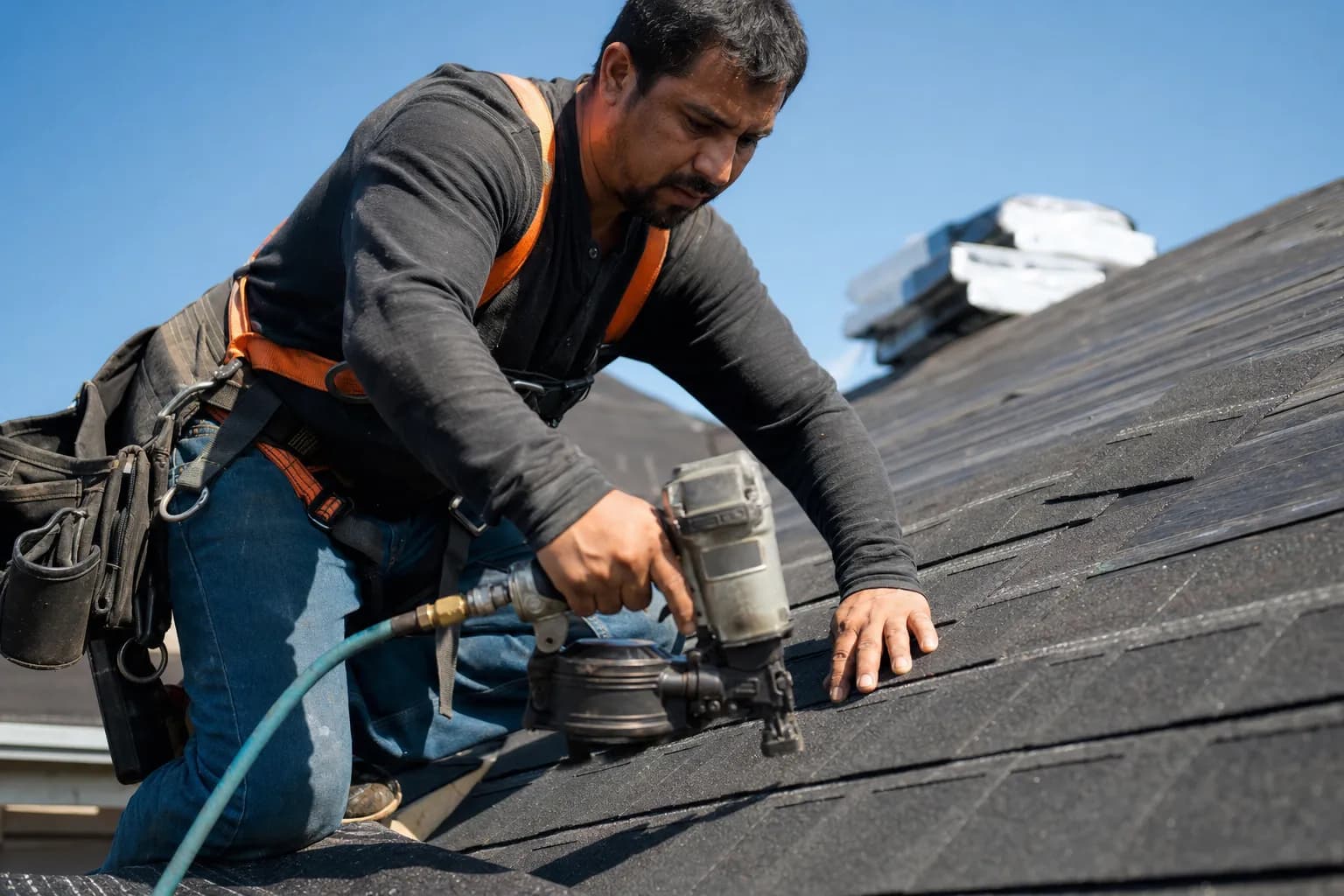
Callbook picks up every leak, storm-damage, and inspection call while your crew is nailing shingles sixty feet up and the phone is ringing every two minutes.
Step 02
Separates active leaks from routine inspections
The call flow identifies water actively coming into the home right now versus a damage assessment or a scheduled estimate, and flags emergencies for immediate dispatch.
Step 03
Hands over property, damage description, and insurance note
Your team gets the caller, the address, damage type, whether an insurance claim is involved, and a full transcript before they ever pick up the phone.
Callbook live call
Storm leak intake
Caller
There's water pouring through my ceiling right now. The storm just knocked something loose on the roof.
Callbook
I'm going to get someone to you. Is the water actively dripping or coming through in volume?
Caller
It's coming in pretty fast in the corner of the living room. I don't know if it's a vent or a shingle.
Callbook
Understood — active water intrusion, storm damage. I'll capture your address and flag this for emergency tarp dispatch right now.
Crew note
Active water intrusion, storm damage, emergency tarp requested.
Next action
Dispatch on-call crew for emergency tarp and damage assessment.
What Callbook asks
Roofing intake that captures the damage, not just a name.
A homeowner with water pouring through their ceiling doesn't want to leave a voicemail. They want a calm voice that knows the right questions and a fast path to getting someone on the roof.
Is water actively coming into the home right now?
Single-family home or commercial property?
What kind of damage — active leak, missing shingles, storm impact, fallen tree?
Approximate age of the roof?
Property address, ZIP code, and best callback number?
Is an insurance claim involved or likely?
Voicemail vs Callbook
The missed call is the lost roofing job.
Homeowners hire whoever answers first. Here is what changes the moment Callbook picks up your roofing line.
Voicemail & missed calls
- —Storm-surge call volume floods voicemail — the first roofer who answers wins the job
- —After-hours leak calls default to a competitor who has 24/7 answering
- —No damage or insurance notes waiting when you finally call back two hours later
- —Homeowners who hit voicemail during a crisis call three more roofers before you return the call
Callbook on your line
- Every call answered during storm surge, after hours, and while crews are on roofs
- Active leaks escalated immediately; inspections and estimates booked normally
- Damage type, insurance-claim status, and property address captured every time
- Full transcript and dispatch note waiting before your team picks up the phone
Storm coverage
Built for the calls roofers cannot afford to miss.
Roofing FAQ
Questions roofing owners ask before trying AI answering
Why do roofing companies need AI phone answering?
Roofing calls spike dramatically after storms when crews are busiest with repairs. AI handles unlimited simultaneous calls, capturing every lead while your team focuses on emergency tarping and repairs. Missing these storm leads means losing your biggest revenue opportunity.
Can AI handle storm damage roofing calls?
Yes, Callbook's AI recognizes storm damage emergencies like active leaks, fallen trees on roofs, and missing shingles. It prioritizes these calls, collects damage descriptions and photos via text, and schedules emergency inspections.
What information does AI collect for roofing estimates?
The AI collects property address, type of roof (shingle, metal, tile), approximate age, nature of the problem, whether there's active leaking, and insurance involvement. This prepares your estimator for the inspection.
How does AI help roofing companies with insurance claims?
The AI can ask if the customer is filing an insurance claim, collect claim numbers if available, and schedule inspections to align with adjuster visits. This streamlines the insurance coordination process.
Can AI book roofing inspections and estimates?
Yes, Callbook checks inspector availability and books estimates directly. It considers drive time between appointments and sends confirmation details including what homeowners should have ready for the inspection.
Related service pages
Why Roofing Companies Need an Answering Service
Roofing is one of the most call-dependent trades in the home services industry. After a hailstorm or severe weather event, a single roofing company can receive hundreds of calls in a matter of hours. Crews are on roofs, the office phone is ringing nonstop, and every unanswered call is a homeowner who moves on to the next contractor in their search results.
A roofing answering service ensures that every call gets answered, whether it is a homeowner reporting an active leak during a storm, a property manager requesting a commercial roof inspection, or an insurance adjuster coordinating a claim. The difference between capturing and losing a roofing lead often comes down to who answers the phone first. If your company also takes on general contracting or remodeling work, the same coverage extends to that side of the business — see the construction answering service page.
AI Virtual Receptionist vs. Traditional Answering Service for Roofers
Traditional answering services charge per minute and use live operators who take basic messages. They cannot distinguish between an active roof leak that needs emergency tarping and a routine inspection request. An AI virtual receptionist for roofing companies is trained on roofing-specific scenarios: it asks whether water is actively entering the home, what type of damage occurred, the approximate age of the roof, and whether an insurance claim is involved. This triage information helps your crew prioritize dispatch and arrive prepared.
Storm Surge Call Handling for Roofing Contractors
After major weather events, roofing call volume can spike dramatically — far beyond what your office line can absorb. No human receptionist team can scale instantly to handle that volume. An AI answering service answers every call simultaneously with no hold times, no busy signals, and no voicemail. Each caller gets the same professional intake experience — damage description, property details, insurance information, and address collected — so your estimators can start scheduling inspections immediately instead of spending the next two days returning missed calls.
Insurance Claim Coordination and Roofing Leads
A significant portion of roofing jobs involve insurance claims. The AI receptionist asks callers whether they plan to file a claim or already have a claim number, collects the insurance carrier name, and notes whether an adjuster has already visited. This information streamlines the entire process from first call to signed contract, giving your team a professional edge over competitors who are still playing phone tag with leads from three days ago.
Put Callbook on your roofing line before the next storm rolls through.
Start with overflow or after-hours calls, test the damage-intake script, then go live when the handoff is right.
Roofing Business Resources
Roofing answering service by city
AI Receptionist for Other Industries
What are missed calls costing you?
Estimate the revenue slipping to voicemail. Every figure here is your own number — nothing is averaged, assumed, or pulled from other businesses.
What is a roofing answering service?
A roofing answering service answers your calls 24/7 when your crew is on a roof, after hours, or slammed during post-storm surges. Instead of going to voicemail, every caller reaches a receptionist that captures the lead, qualifies the job, flags emergencies like active leaks, and books the inspection — so a missed call doesn’t become a missed job.
See how an AI answering service compares to a traditional one →